A slow loop of the outer islands by sea kayak: Sucia, Patos, Stuart and home again, with a submarine along the way.
The San Juans are close enough to Bellingham that we see them every day, which makes it easy to forget that most of their shoreline can only be reached by water. So we packed a week of food and set off to go all the way around.
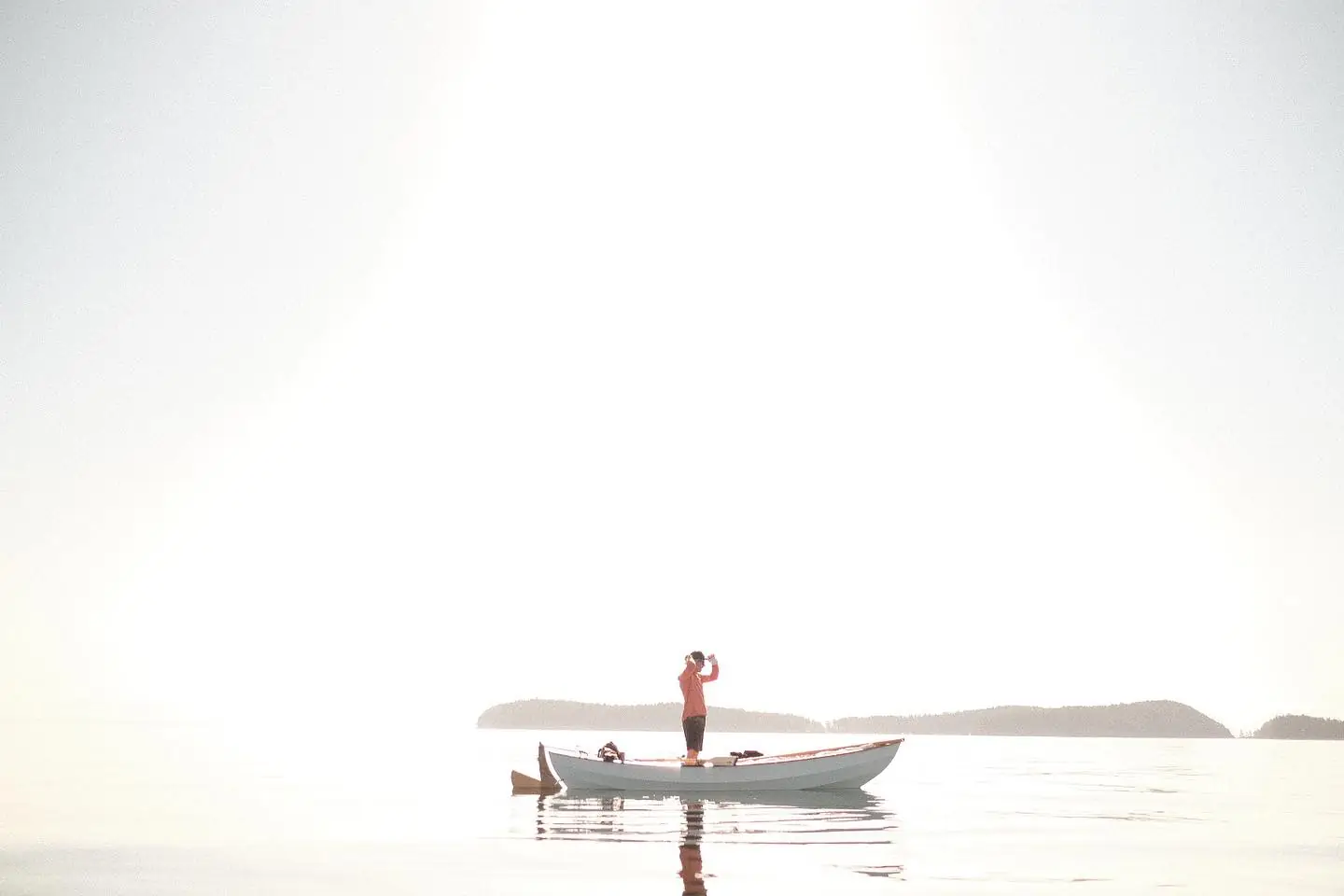
Halfway between Sucia and Orcas the wind died completely and the water went flat, like liquid mercury, the sky and the sea the same colour with the islands floating in between. You paddle more quietly on days like that, without quite knowing why.
The outer islands
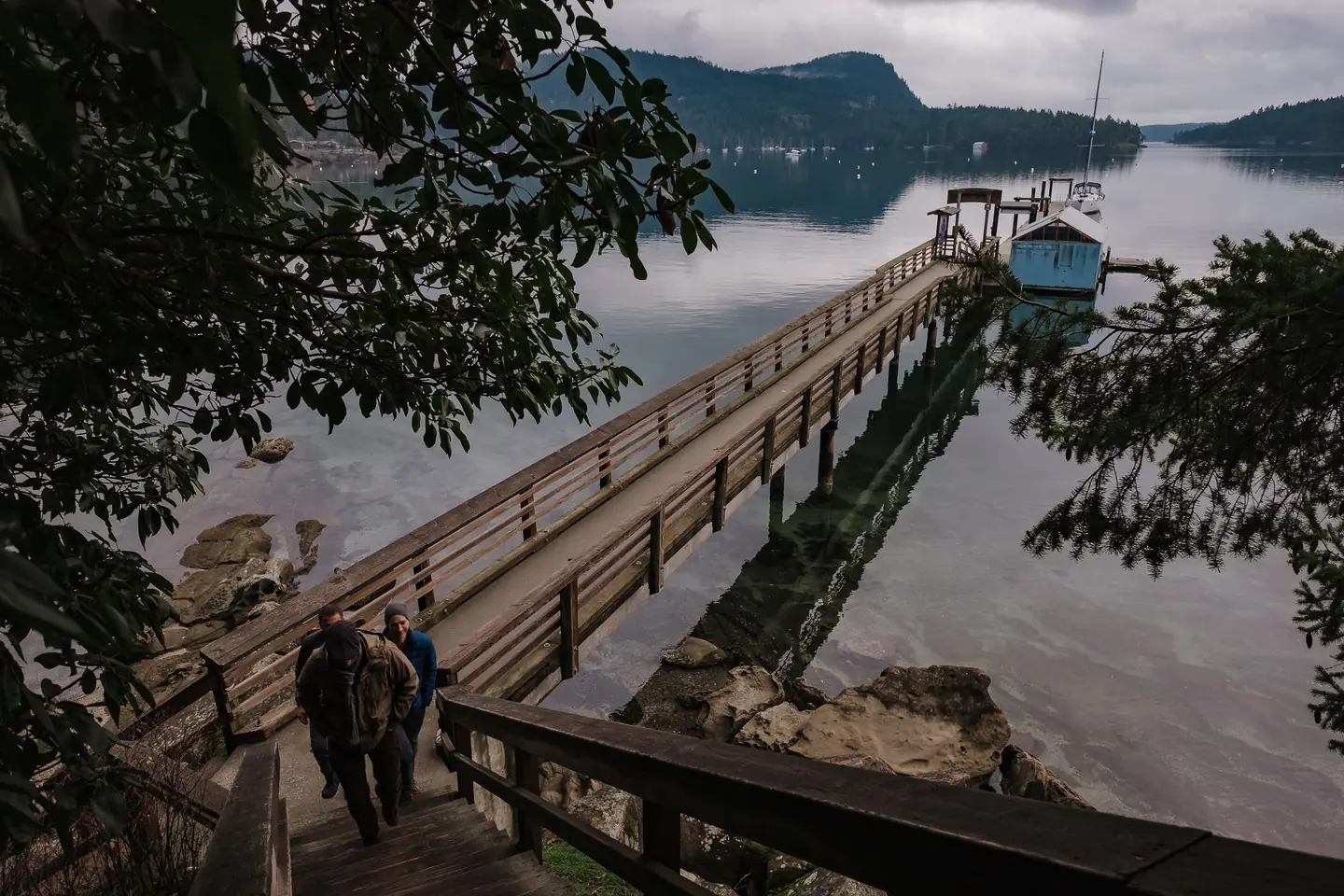
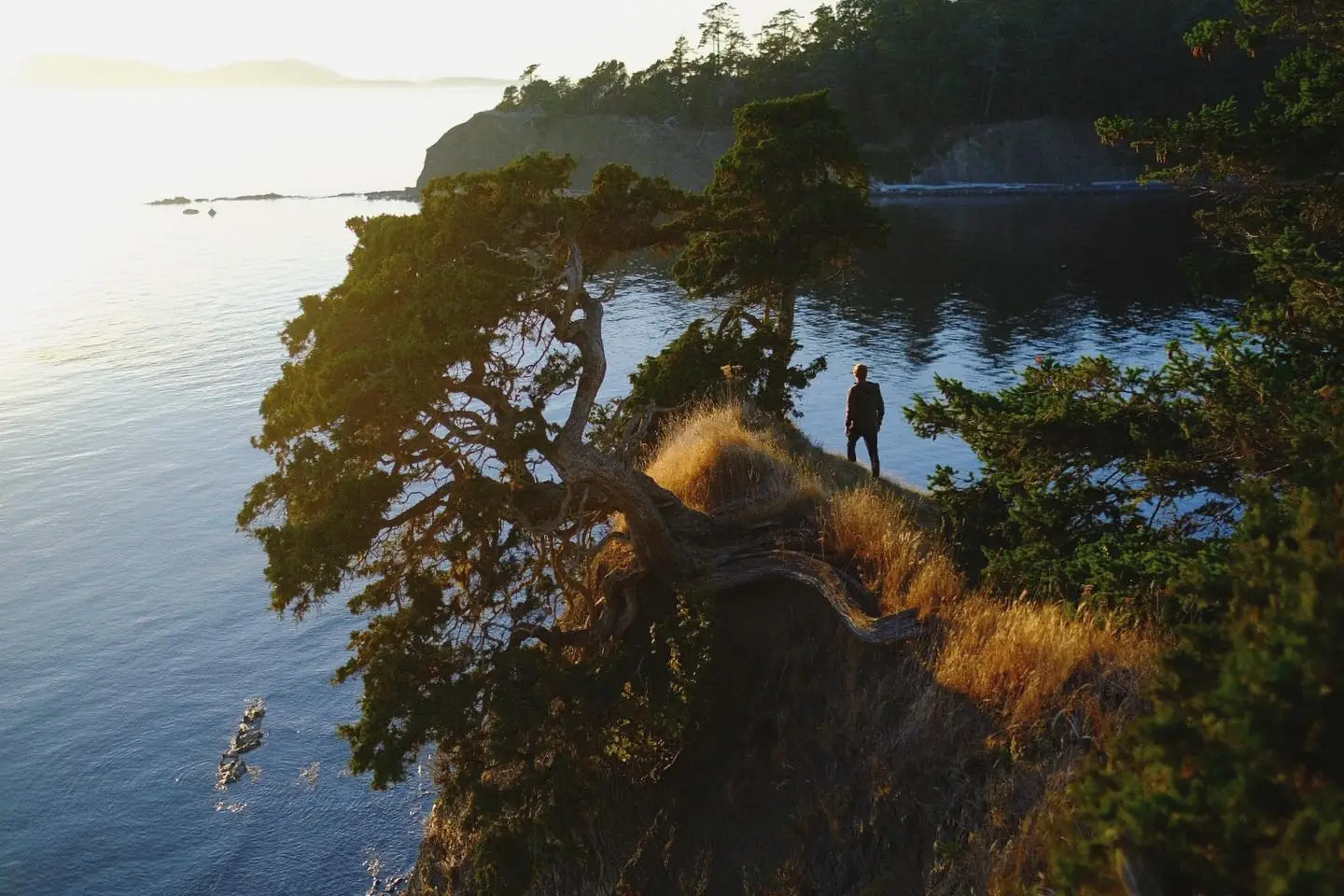
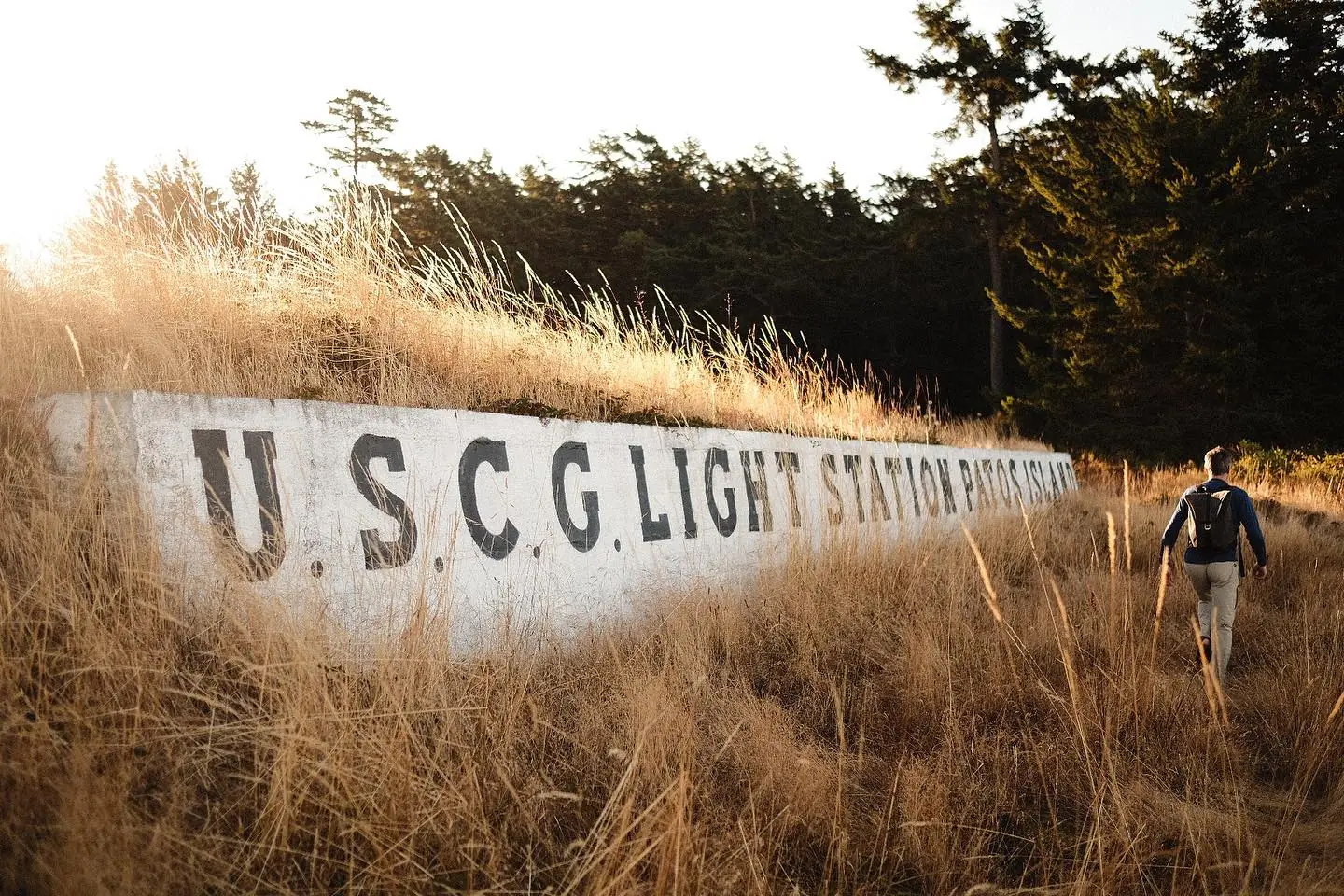
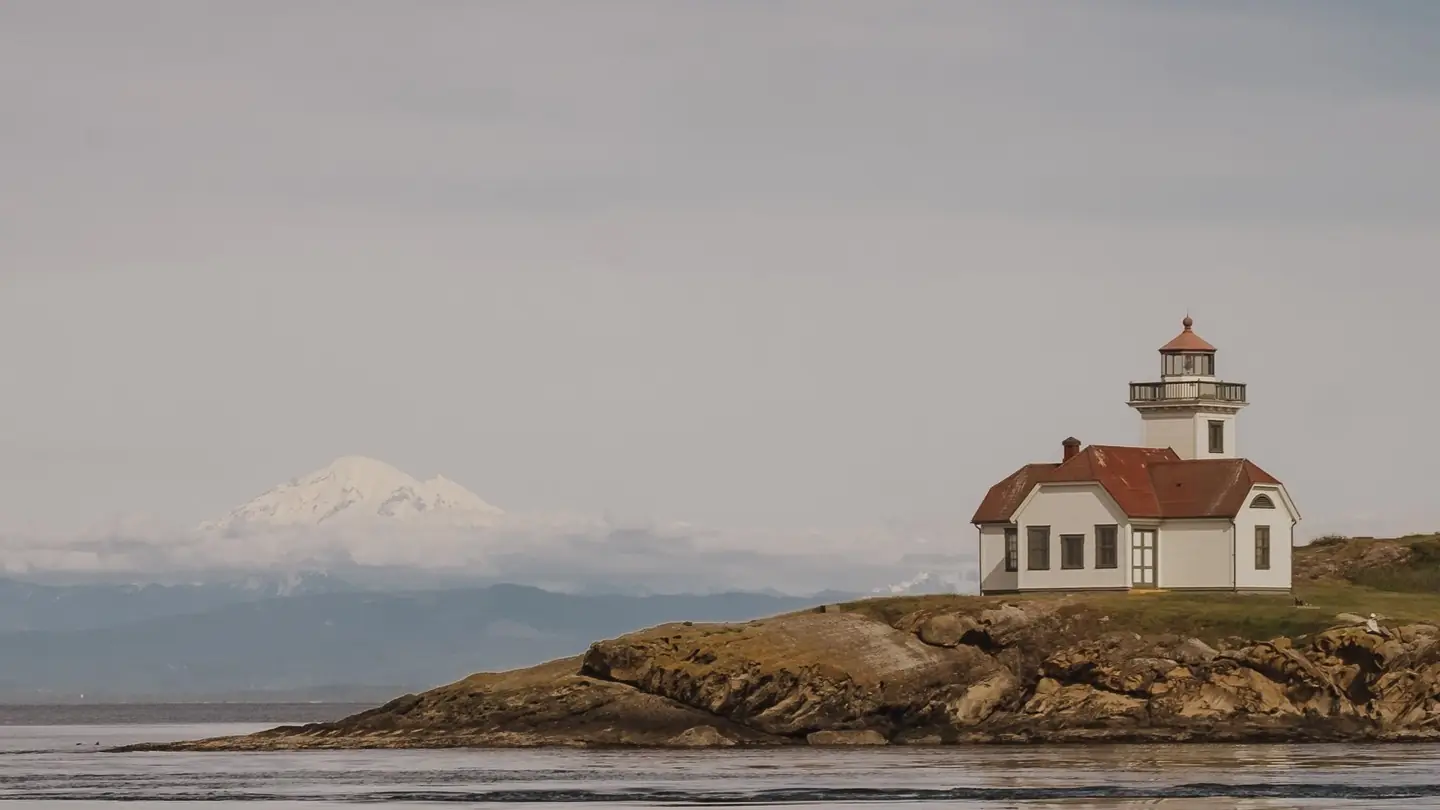
Sucia is a state marine park and one of the best overnight stops in the islands: sandstone carved into honeycomb by wind and water, sheltered coves, and campsites right above the beach. From there we pushed north to Patos, the last island before Canada, where a small lighthouse stands under the white bulk of Mount Baker.
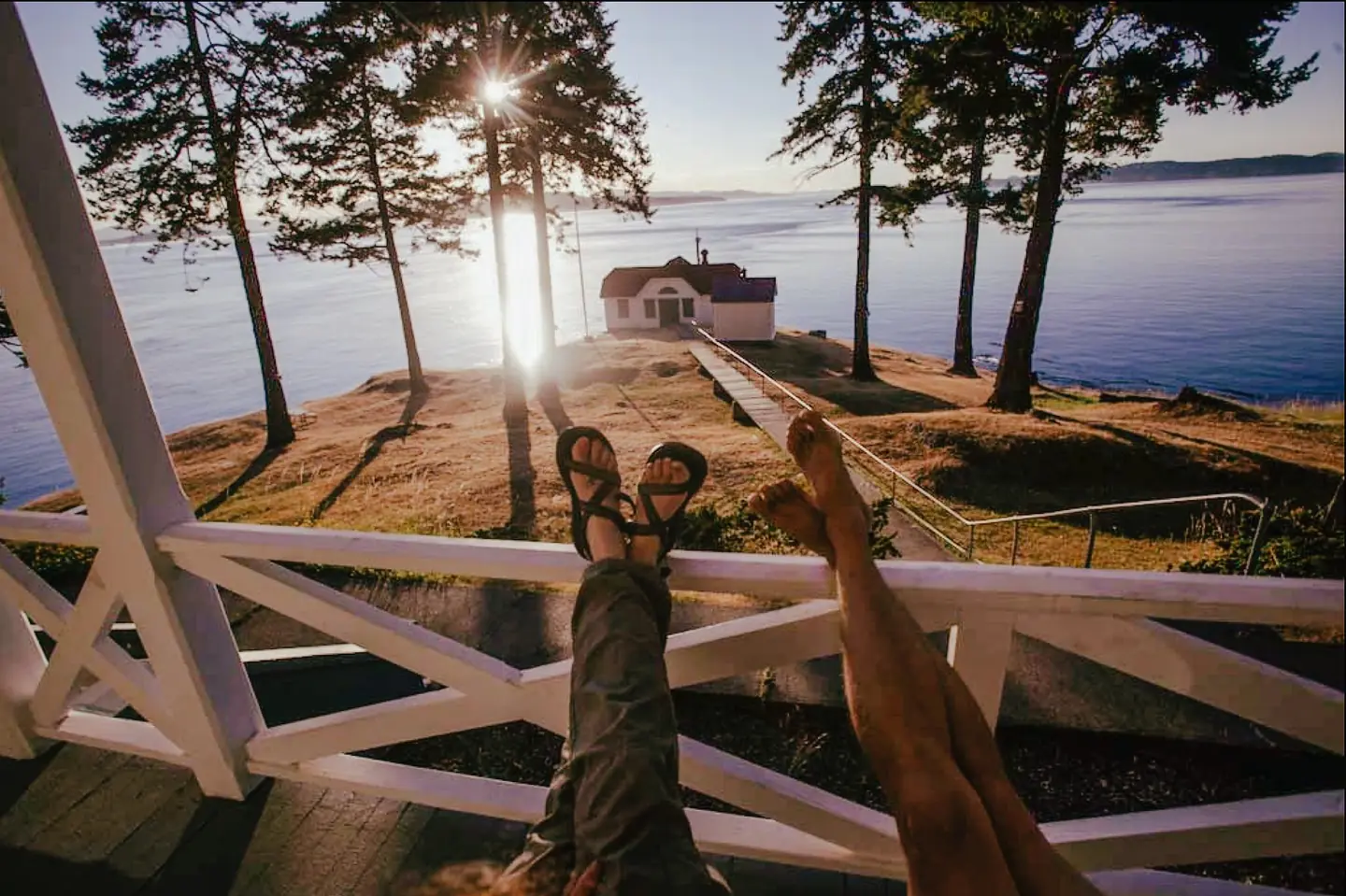
On Stuart Island we rounded Turn Point and pulled out below the lighthouse. It is the perfect place to put your feet up at the end of a long day of paddling, open a bottle of wine, watch for passing orcas and see the sun go down over Haro Strait. If you are lucky you will have it all to yourself.
Things you do not expect
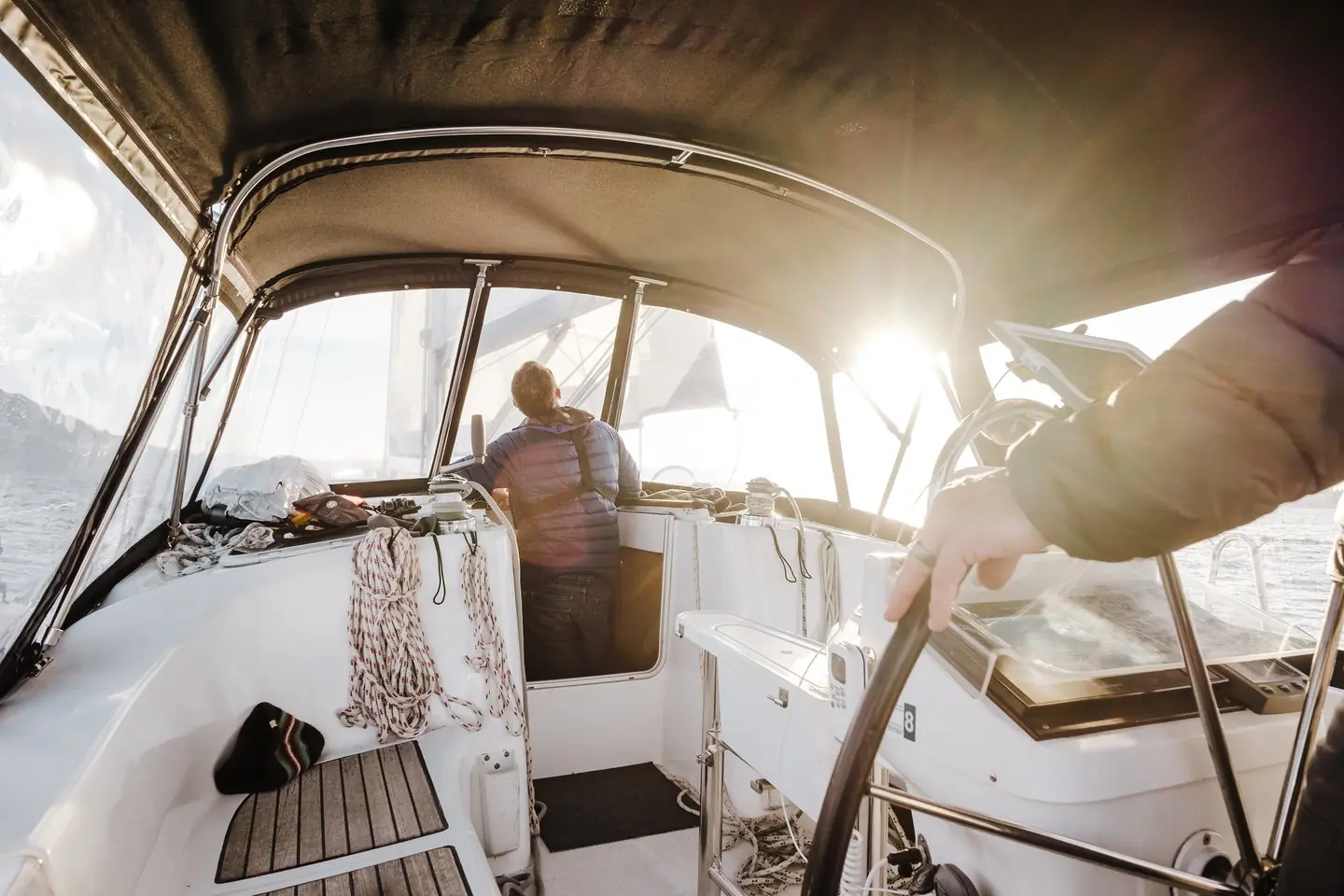
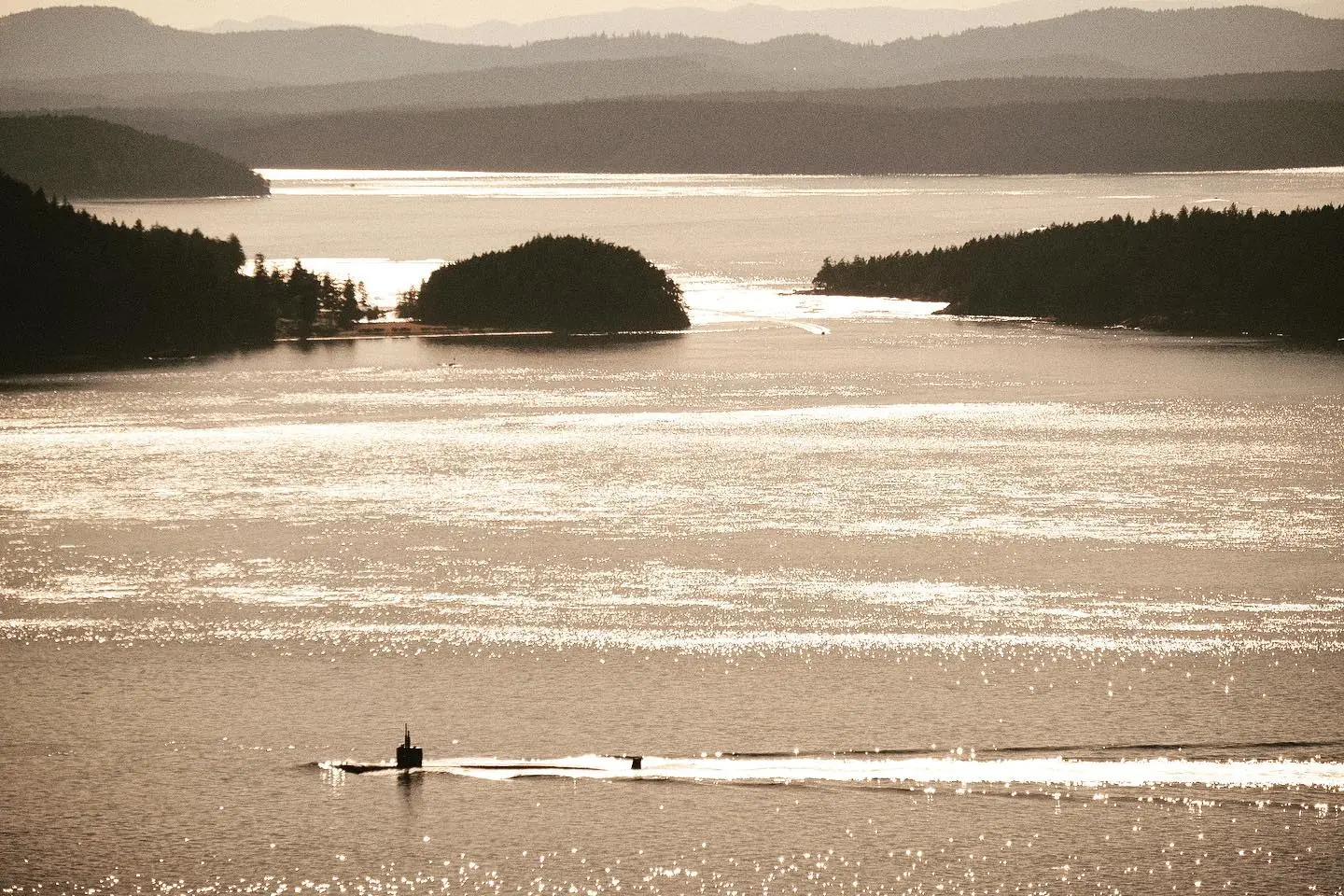
Coming back past Orcas, a submarine slid by in front of Obstruction Pass. Rosario Strait is a working waterway, and you share it with ferries, freighters and the occasional navy boat. Know the shipping lanes and cross them quickly.
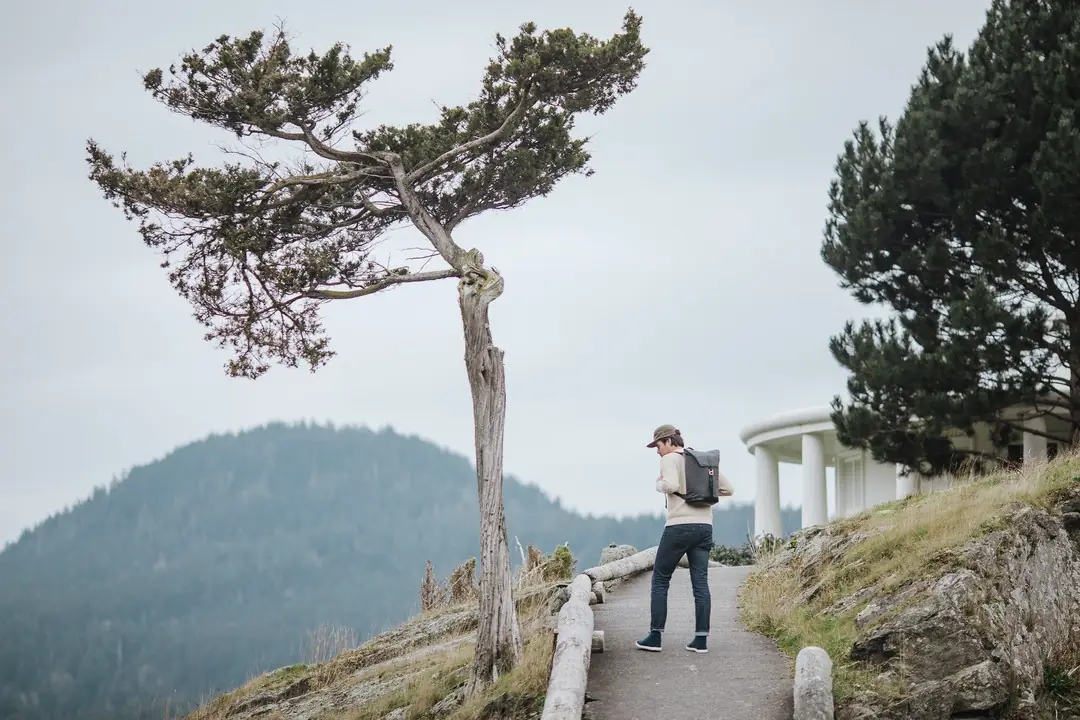
Seven days, rain squalls and waves breaking over the bow. The Salish Commuter rode along for gear we wanted dry but handy: wet clothes in the big pocket, camera and phone in another, and everything that needed to stay dry did. The next day it was carrying a laptop and lunch to work.
Words and photographs by Vendovi.